

In a world where everyone seems glued to their smartphones, the thought of snagging a free government phone might sound like a plot twist straight out of a sitcom. But it’s not just a punchline—it’s a reality for many! These programs aim to bridge the digital divide, ensuring that everyone has access to communication tools, no matter their financial situation.
Imagine strolling into a store, picking up a sleek device, and saying goodbye to those pesky bills. It’s like winning the lottery, but without the awkward family gatherings! With free government phones, people can connect with loved ones, search for jobs, and even binge-watch their favorite shows. So why not dive into the world of free government phones and discover how easy it is to stay connected?
Overview of Free Government Phones
Free government phone programs aim to provide essential communication tools to individuals facing financial challenges. These initiatives often fall under the Lifeline program, which offers discounts on phone services or free phones to eligible low-income households. Various providers partner with government agencies to facilitate access to these services across the United States.
Eligibility criteria generally include participation in federal assistance programs, such as SNAP or Medicaid, or having a household income at or below 135% of the federal poverty guideline. Applicants must provide necessary documentation to demonstrate their qualification.
Free government phones typically come with a specific set of features. Most devices include basic calling and texting capabilities, while some may offer limited data allowances. Users can receive monthly minutes and texts, enabling consistent communication with loved ones and essential services.
Certain programs promote inclusivity by offering both smartphones and basic cell phones. Benefits of smartphones include internet access, allowing users to search for jobs or partake in educational opportunities. Different models may offer varied specifications, catering to diverse user needs.
Providers often highlight additional services. Programs may include options for international calling, critical for individuals with family abroad. Many aim to minimize obstacles in accessing essential communications and bridging the digital divide.
Awareness of these programs remains vital. Individuals can explore state-specific options by visiting the Lifeline website or contacting local service providers. Free government phones represent an opportunity for better connectivity, making it easier for people to navigate their lives without financial strain.
Eligibility Criteria
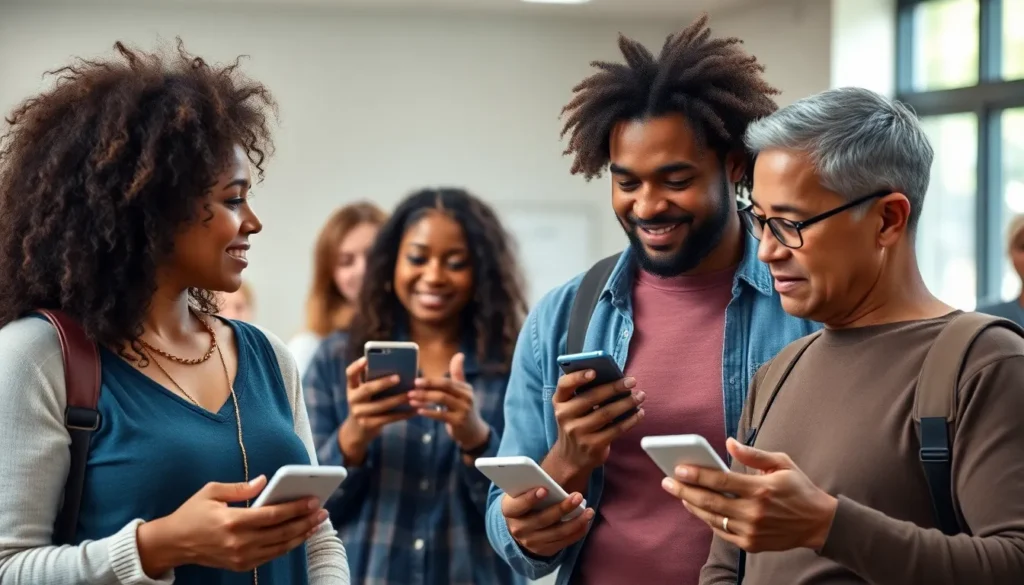
Eligibility for free government phones requires meeting specific criteria, often tied to income or participation in federal assistance programs. Individuals should ensure they qualify under these guidelines.
Income Requirements
Income requirements dictate that applicants’ household income must be at or below 135% of the federal poverty guideline. The exact income limits depend on household size and are updated annually. For example, a household of four must maintain an income under $36,075 to meet eligibility standards. Many applicants find that participation in programs like SNAP, Medicaid, or Supplemental Security Income serves as an alternative qualification route.
Program Application Process
The application process typically involves several steps to verify eligibility. Applicants must select a provider participating in the Lifeline program. After selecting a provider, they submit documentation proving income or program involvement. Verification often requires submitting an application online, via mail, or in person. Once approved, the provider supplies a free government phone, which usually includes basic calling, texting, or limited data features.
Benefits of Free Government Phones
Free government phones offer crucial advantages that enhance accessibility for individuals in need. These benefits help bridge gaps in communication and support low-income families.
Access to Communication
Access to communication remains a fundamental benefit of free government phones. These devices enable individuals to connect with family, friends, and essential services without financial obstacles. Free phones typically include calling and texting capabilities. Users can reach out to prospective employers, schedule medical appointments, and maintain social connections. Access to reliable communication fosters a sense of security and belonging, which is vital for overall well-being.
Support for Low-Income Families
Support for low-income families is a key aspect of free government phone programs. Eligible households often include those participating in federal assistance programs like SNAP or Medicaid. With a household income at or below 135% of the federal poverty guideline, families can gain access to essential communication tools. This support helps reduce the digital divide, allowing low-income families to access job opportunities and educational resources. Offering smartphones or basic cell phones, these programs ensure that every family member has the ability to communicate effectively, which contributes to improving their quality of life.
Types of Free Government Phone Programs
Various free government phone programs exist to assist those in need. These programs cater to low-income individuals, ensuring they can stay connected without incurring heavy costs.
Lifeline Program
The Lifeline Program serves as a cornerstone of free government phone initiatives. It provides eligible low-income households with discounts on phone services or free phones altogether. Participation in federal assistance programs like SNAP or Medicaid qualifies individuals for Lifeline. For example, a household of four needs to earn less than $36,075 annually to be eligible. Basic calling and texting capabilities typically accompany free phones obtained through this program. Some smartphones may even include limited data for internet usage, facilitating job searches and access to online resources.
Other State-Specific Programs
In addition to the Lifeline Program, several state-specific initiatives offer free government phones. These programs vary by location, providing tailored benefits that address local community needs. Some states may provide enhanced services or additional benefits beyond those offered by Lifeline. For instance, additional support might include international calling options or larger data allowances. Individuals can find these programs by visiting the Lifeline website or reaching out to local service providers. Awareness of these unique offerings enhances accessibility, ensuring more individuals benefit from free communication tools.
Limitations and Challenges
Understanding the limitations and challenges of free government phones is essential. While these programs offer significant advantages, several drawbacks exist.
Coverage and Service Issues
Coverage can vary significantly depending on the service provider. Many users face challenges with signal strength in rural or underserved areas. Drops in service may occur during calls, impacting communication reliability. Some providers have limited networks, which can result in users experiencing frequent interruptions. Providers may also restrict service in certain locations, creating gaps in accessibility. Users should research coverage maps to find the best provider for their region.
Device Limitations
Device options for free government phones typically include basic models with essential features. Smartphone availability varies, and some regions only offer older models. Restricted capabilities can hinder app downloads, limiting access to communication and resources. Data allowances are often insufficient for regular internet use, affecting functionality. Users may also encounter storage limitations that prevent them from saving important files or apps. Overall, device performance may not meet the needs of all users, especially in today’s technology-driven environment.
Free government phone programs play a vital role in enhancing communication accessibility for low-income households. By providing essential tools for connection job searching and education they empower individuals to overcome financial barriers. While challenges like limited coverage and device options exist these programs still represent a significant opportunity for many.
Exploring state-specific offerings can further maximize benefits ensuring that everyone has the chance to stay connected. As these programs continue to bridge the digital divide they contribute to improved quality of life for countless families across the country. Embracing the possibilities of free government phones can lead to a more connected and informed community.


